

Types of Light Bulbs: Incandescent, LED, Halogen, Smart Bulbs and More (Indian Buying Guide)
18th August 2025 | Written By: Vinod Pottayil | Read Time: 3min | Last Updated: 10th August 2026
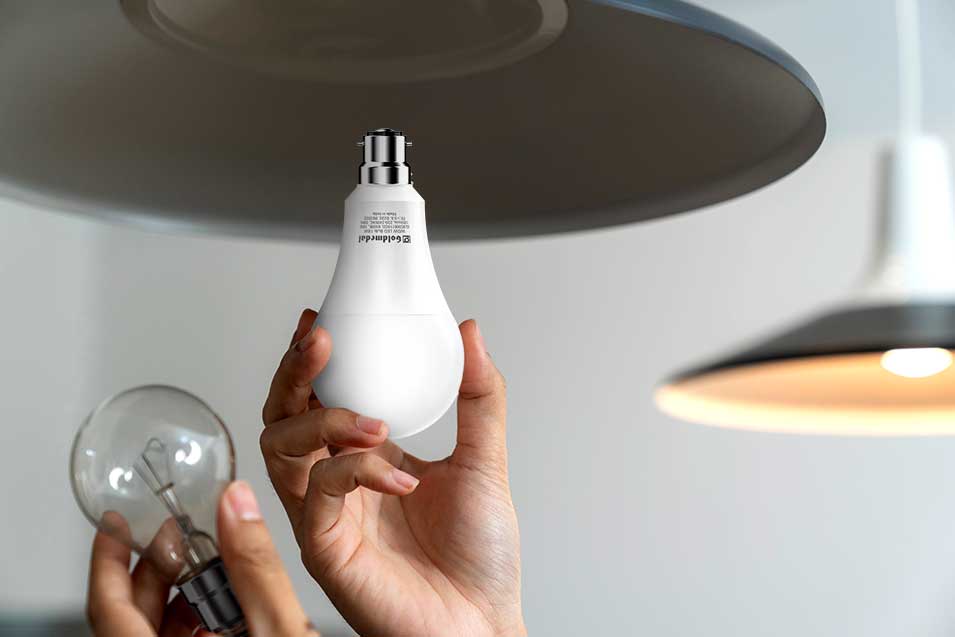
Do you remember the yellow light bulbs and white tube lights that were staple illumination sources in our homes while growing up? Then, the LED bulbs became the standard in most homes. There is a plethora of options you can explore today to ramp up the indoor glamour of your home. Here is your quick guide to different types of light bulbs.
Different Types of Light Bulbs Explained for Indian Homes
The right light bulb can make a significant difference to your home’s comfort, ambience, and energy efficiency. From traditional incandescent and halogen bulbs to modern LED and smart bulbs, each type offers unique advantages in terms of brightness, lifespan, power consumption, and functionality. Understanding the differences between these lighting options will help you select the most suitable bulb for every room, whether you’re looking for energy savings, better illumination, or smart home convenience.
-
Incandescent Bulbs
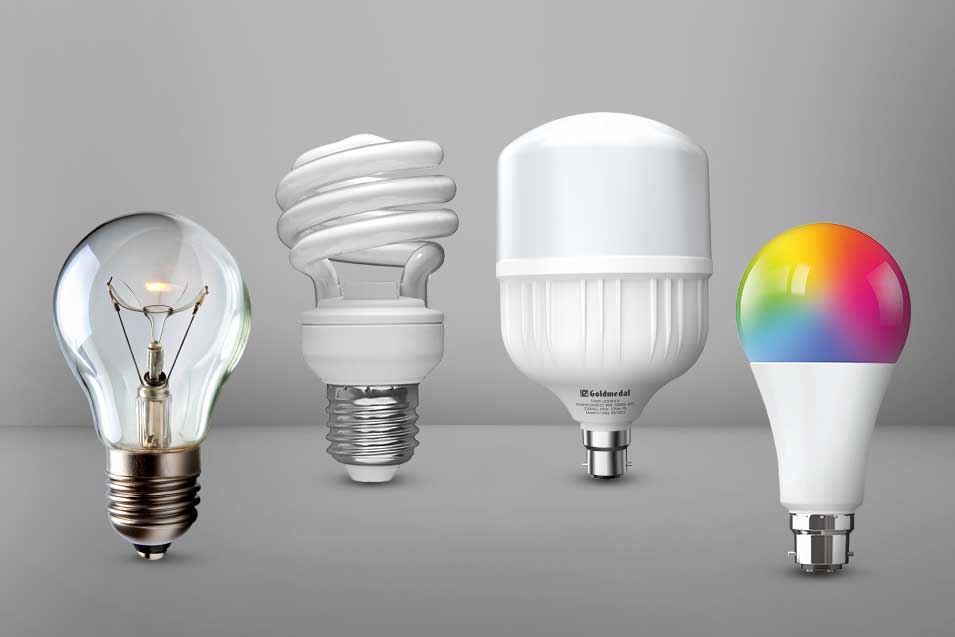
There are the traditional bulbs with an in-built thin filament that provide warm, yellow light. Since they cost cheap, they are still commonly used for general lighting in bathrooms or hallways. It is also installed as a light source to aesthetic pieces such as chandeliers.
However, incandescent bulbs produce significantly more heat compared to LED bulbs . They also consume more electricity, making them low energy-efficient option. Moreover, their availability is fading away from the market. -
Light Emitting Diodes (LED) Bulbs
LED lights have become a preferred lighting solution these days. They are available in an assorted range of designs which can liven up every nook and corner of your home. More importantly, they generate low heat and reduce your electricity bills. They have an average lifespan of 15-25 years and contain no mercury due to which makes they are also a sustainable, eco-friendly option.
While LEDs are costlier than incandescent bulbs, their merits balance the expenditure in a few years. -
Compact Fluorescent Lamps (CFLs)
CFLs are a spiral-shaped or tube-shaped glass enclosure. They are filled with a mix of mercury vapour and argon gas. When vapour-gas mix registers an electrical current, ultraviolet light (UV) is generated. UV light stimulates the fluorescent coating inside the lamp to discharge visible light.
According to the Energy Efficiency & Renewable Energy Centre, CFLs are a cost-effective and efficient light source for spaces that need lights turned on for a prolonged period. While CFLs are slightly costlier than incandescent bulbs, they use less energy and last much longer. As a result, they can lead to significant energy savings over time. They are also ideal for hard-to-reach areas such as lofts because they don’t need frequent replacement.
It is advisable to avoid putting CFLs in areas which require on-off usage at frequent intervals. -
Halogen Bulbs
If you are looking to replicate natural daylight in your home, then go for halogen bulbs. They are also known as an upgraded version of incandescent bulbs, as they have a tungsten filament. They are filled with halogen gas, which raises the temperature of the filament to emit a bright white or cool white light. They are a perfect pick for spotlighting, task lighting, kitchen counters, under-cabinet spaces and reading lamps.
A major drawback of halogen lamps is that they become very hot as they burn at high temperatures. They also consume more energy as compared to LED lights. -
Smart Bulbs
Smart bulbs have brought a wave of innovation in home lighting solutions. The in-built Wi-Fi or Bluetooth capability coupled with LED technology helps you to control them through an app or voice assistants such as Alexa and Google. You can remotely switch the bulbs on and off or regulate their brightness and hues.
You can even sync smart bulbs with your home automation system. They can be fitted in living rooms, dining area, master bedrooms or spaces where you require mood lighting.
Smart bulbs are expensive than other bulb variants. You also need an internet connection and other appropriate technology integration to make them work. -
Fluorescent Light Bulb or Tube
Fluorescent light bulbs and tube lights produce light by passing an electric current through mercury vapour, which creates ultraviolet (UV) light that is converted into visible light by a phosphor coating inside the tube. They are more energy-efficient and have a longer lifespan than traditional incandescent bulbs, making them a popular choice for offices, schools, commercial spaces, and garages. However, with the advancement of LED technology, fluorescent lighting is gradually being replaced due to its higher energy consumption, mercury content, and comparatively shorter lifespan.
-
Vintage & Decorative Light Bulbs
Vintage and decorative light bulbs are designed to combine illumination with aesthetics, making them ideal for creating a warm and inviting ambience. Available in a variety of shapes, finishes, and filament designs, they add character to homes, cafés, restaurants, hotels, and other decorative spaces. Today, most decorative bulbs use energy-efficient LED technology, offering the classic vintage look with lower power consumption and a longer lifespan.
-
Automotive light bulbs (HID Headlight Bulbs)
High-Intensity Discharge (HID) headlight bulbs are commonly used in vehicles to provide brighter and longer-range illumination than traditional halogen bulbs. They produce light by creating an electric arc between electrodes inside a gas-filled bulb, resulting in high brightness and improved visibility for night driving. While HID bulbs are energy-efficient and long-lasting, they require a ballast to operate and are gradually being complemented or replaced by advanced LED headlight technology.
How to Choose the Right Light Bulb for Your Home
Selecting the right light bulb goes beyond choosing the brightest option. Consider factors such as the room’s purpose, brightness (lumens), colour temperature, energy efficiency, bulb base type, and compatibility with your light fixture. For example, warm white lighting creates a cosy atmosphere in bedrooms and living rooms, while cool white or daylight bulbs are ideal for kitchens, bathrooms, and workspaces. Choosing high-quality LED bulbs with the appropriate wattage and colour temperature not only enhances comfort and visibility but also helps reduce energy consumption and electricity costs.
Understanding Light Bulb Colour Temperature: Warm White vs Cool White vs Daylight
The colour temperature of a light bulb affects the look, feel, and functionality of a space. Measured in Kelvin (K), it determines whether the light appears warm, neutral, or cool. Warm White (2700K–3000K) creates a cosy and relaxing ambience, making it ideal for bedrooms and living rooms. Cool White (4000K–4500K) offers a bright, balanced light that works well in kitchens, bathrooms, and offices, while Daylight (5000K–6500K) provides crisp, natural-looking illumination that’s perfect for study areas, workspaces, and task lighting. Choosing the right colour temperature for each room enhances comfort, visibility, and the overall atmosphere of your home.
Common Light Bulb Bases and Sizes Used in India: B22 vs E27
When buying a light bulb, it’s important to choose the correct base type to ensure it fits your light fixture. In India, the two most common bulb bases are B22 (Bayonet Cap) and E27 (Edison Screw Cap). B22 bulbs feature a push-and-twist locking mechanism and are widely used in homes due to their secure fit and compatibility with traditional fixtures. E27 bulbs, on the other hand, have a screw-in design and are commonly found in modern decorative lights, pendant lamps, and imported fixtures. Before purchasing a new bulb, always check your fixture’s socket type to ensure proper compatibility and safe installation.
Choosing BEE Star-Rated LED Bulbs for Maximum Savings
When purchasing LED bulbs, opting for BEE (Bureau of Energy Efficiency) Star-rated products is a smart way to reduce electricity consumption and lower your energy bills. BEE-rated LED bulbs are designed to deliver high brightness while consuming less power, making them more energy-efficient than conventional lighting options. Although they may cost slightly more upfront, their lower energy usage, longer lifespan, and reduced maintenance requirements make them a cost-effective investment for Indian homes over time.
Smart Bulbs vs Smart Switches: Which Should You Choose?
Both smart bulbs and smart switches offer convenient control over your home lighting, but they serve different needs. Smart bulbs are ideal if you want features such as adjustable brightness, colour-changing modes, and personalised lighting scenes. Smart switches, on the other hand, allow you to control existing light fixtures without replacing the bulbs and continue to function with regular LED bulbs. If you’re looking for a simple lighting upgrade, smart bulbs are a great choice, while smart switches are better suited for whole-home automation, remote control, scheduling, and seamless integration with your existing electrical setup.
How to Safely Dispose of Old Light Bulbs in India
Proper disposal of old light bulbs is important for both safety and environmental protection. LED and CFL bulbs should never be thrown into regular household waste, as they contain electronic components and, in the case of CFLs, small amounts of mercury. Instead, take them to an authorised e-waste collection centre or a designated recycling facility. Traditional incandescent and halogen bulbs can generally be disposed of with household waste, but they should be wrapped securely to prevent breakage and reduce the risk of injury. Recycling old bulbs helps recover valuable materials and supports responsible waste management.
Conclusion
Lighting is a core element of home styling and functionality. You can either choose only one type for the entire home or use a combination of different types. The best fit depends on multiple elements such as aesthetic beauty, utility, practicality, energy efficiency, safety, longevity, colour temperature and amount of money you to spend.

Frequently Asked Questions (FAQs) :
-
Q1. Are incandescent bulbs good for homes?
Incandescent bulbs are good if you are looking for pocket-friendly lights or secondary sources of illumination. But, they tend to heat faster and increase electricity expenses.
-
Q2. Do CFLs make a good replacement for incandescent bulbs?
There is no doubt that CFLs are superior to incandescent bulbs in terms of energy efficiency and longevity. However, CFLs should be used for spaces which need illumination for longer periods at a stretch. Their output is likely to be affected by frequent on-off use.
-
Q3. Which is the best bulb for homes?
The decision depends on your personal preferences and various other factors. However, LED bulbs are usually popular due to their multi-functionality, different shapes and sizes, energy efficiency, longer lifespan and eco-friendliness.
-
Q4. Which light should be used to showcase artefacts?
Halogen light bulbs provide both visually appealing and functional lighting for artefacts such as paintings, sculptures, photo frames, etc. They are good for focus lighting in kitchens or a study library.
-
Q5. Are smart bulbs worth their cost?
Smart bulbs offer several convenient features which you can easily operate remotely through an app on your phone or via voice assistants. They come in different colours and are compatible with several home automation devices. So, if you are looking for a tech-savvy home, then smart bulbs are worth their cost.