

5 Key Factors to Consider Before Buying Modular Switches and Sockets
01st October 2026 | Written By: Vinod Pottayil | Read Time: 3min | Last Updated: 01st October 2026
From powering your fans, lights and kitchen appliances to charging your devices, switches and sockets are an essential part of every home or office. However, they are often the most overlooked design element. Modular switches and sockets are a reliable and aesthetic upgrade for modern, design-conscious spaces.
This blog explores what modular switches and sockets are, why they matter and the key factors to consider before buying them. The right choice can make a difference to both how your home functions and how it looks.
Understanding Modular Switches and Sockets
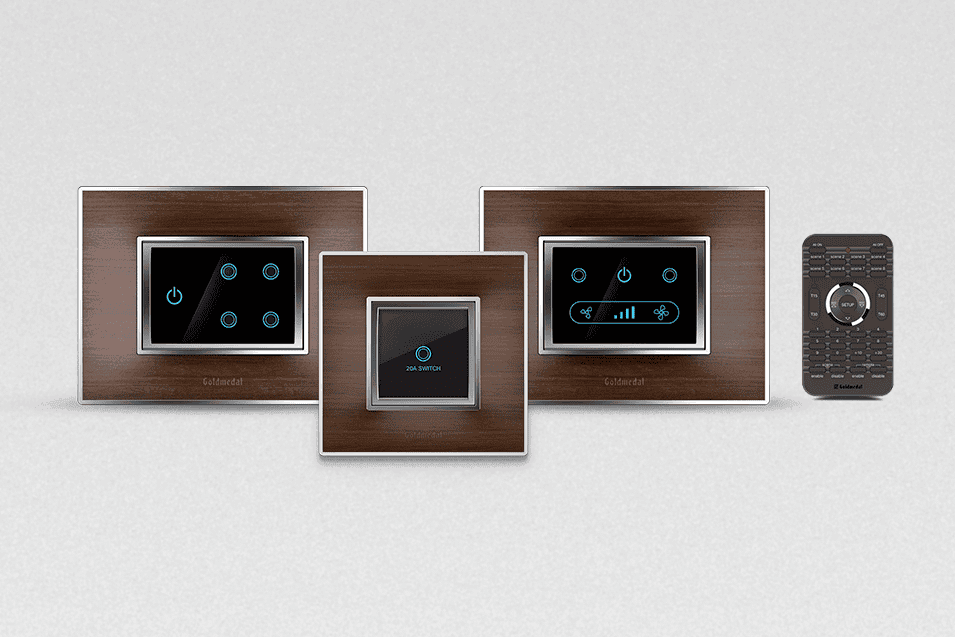
A modular design consists of individual components such as switches, sockets, USB chargers, dimmers and fan regulators, which can be combined within a common frame or plate.
Unlike traditional switches, which typically have a fixed, conventional design, modular switches offer greater flexibility and customisation. Available in a wide range of styles, finishes, and configurations, they can be tailored to suit both the electrical requirements and interiors of a home. This makes modular switches a practical blend of functionality, safety, and aesthetics.
-
Check the Safety Features:
No electrical fitting, irrespective of its attractive design, should compromise the safety of people and property. Look for safety features such as retractable shutters, proper earthing, spark shields and adequate insulation. Ensure that it meets relevant quality and compliance certifications.
-
Consider Material and Build Quality:
Look for modular switches and sockets made from high-quality, heat-resistant, and flame-retardant materials. They should be well-constructed and have sturdy terminals and internal components. These checks minimise the risks of material deformation, electrical fires, sparking, and other safety hazards.
The visible plate should have a durable, scratch-free finish to prevent premature wear and discolouration.
-
Check Current Ratings and Electrical Load:
Current rating, measured in Amperes (A), indicates the amount of electrical current that a switch or socket can safely carry.
Electrical load, measured in Watts (W), indicates the amount of electrical power an appliance consumes.
Different appliances have different current and power requirements. Choosing switches and sockets with the appropriate ratings helps prevent issues such as overheating, overloading, and premature wear. The required rating depends on the appliance, circuit and intended application. For higher-load appliances, check the manufacturer’s specifications and consult a qualified electrician where necessary rather than selecting a socket based solely on appearance.
-
Consider Your Requirements and Preferences:
Different rooms and spaces in homes and offices have different electrical requirements. For example, kitchens and living rooms may need more power points and higher-rated sockets to accommodate multiple appliances, while bedrooms may have simpler requirements.
Similarly, employee work areas in offices may require more power and connectivity points for computers, printers and other equipment than reception areas.
When choosing modular switches and sockets, consider both the functional needs of each space and your interior preferences. The modular design should complement the décor while providing the right combination of switches and sockets for everyday use.
-
Check Switchgear Compatibility:
Modular switches and sockets must be compatible with the existing switchgear and electrical system. In the absence of compatibility, the components may either not fit properly or not function smoothly.
While additional modifications or replacement of parts may be possible, they can increase installation costs. More importantly, improper compatibility can pose a safety risk.
The Cost Factor
Modular switches and sockets can be costlier than traditional ones, depending on the brand, material, number of modules, designs, finishes, or additional features.
The overall cost can depend on the number of modules, type of switch or socket, frame and plate material, finish, USB charging or other integrated features, and installation requirements. While the initial investment may be higher, modular systems offer greater flexibility, customisation, and easier replacement of individual components. Hence, they offset their cost with the long-term value.
Conclusion
When buying modular switches and sockets, look beyond appearance and price. Quality, safety, electrical ratings, compatibility, and long-term performance matter just as much. It is also necessary to opt for a reputed and trusted electrical products brand to ensure peace of mind for years to come.

Frequently Asked Questions (FAQs) :
-
Q1. What are modular switches and sockets?
Modular switches and sockets are made up of separate electrical modules that can be combined in different configurations. They are easy to customise as per your needs and preferences.
-
Q2. Is modular design safer than traditional switches and sockets?
Modular switches can offer additional safety features. However, safety depends more on product quality, ratings, and proper installation than on whether the design is modular or traditional.
-
Q3. How do I choose the right modular switches and sockets?
Consider factors such as safety features, material quality, current and load ratings, switchgear compatibility, design, and installation requirements. Choosing products from a reliable brand is also important.
-
Q4. Are modular switches and sockets expensive?
Modular switches and sockets can cost more than traditional ones, depending on the brand, material, design, and features. However, their flexibility, customisation, and long-term value can make them a worthwhile investment.