

How to Iron Your Linen Like an Expert? Best Temperature Setting
21st August 2026 | Written By: Vinod Pottayil | Read Time: 3min | Last Updated: 21st August 2026
Linen, a timeless natural fabric, is a perfect choice for India’s hot and humid climate. Its exceptional breathability and moisture-absorbing properties keep you feeling cool, fresh, and comfortable throughout the day. However, every linen lover knows that this fabric wrinkles easily. The good news is that ironing it correctly will give it that elegant look you deserve.
Fret not. This blog covers the right temperature settings and other useful hacks about getting wrinkle-free linen finish.
Understanding Why Linen Gets Wrinkled
Linen is sourced from the flax plant, which has a rigid molecular structure and chemical composition. So the moment you sit, bend, stretch or make any movement or even fold linen, creases may appear. Linen can’t bounce back to a wrinkle-free look unless it is ironed again.
Tips to Iron Linen
-
Choose the Right Iron
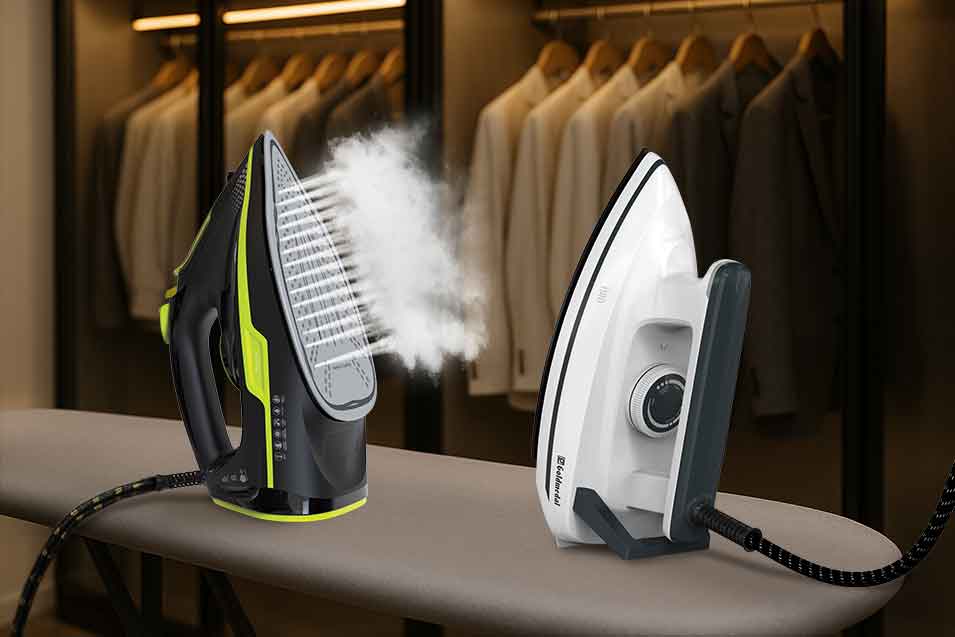
You can choose a dry iron for light creases. A dry iron makes sense when you have fewer linen clothes in the closet and usually prefer the casual, lived-in look.
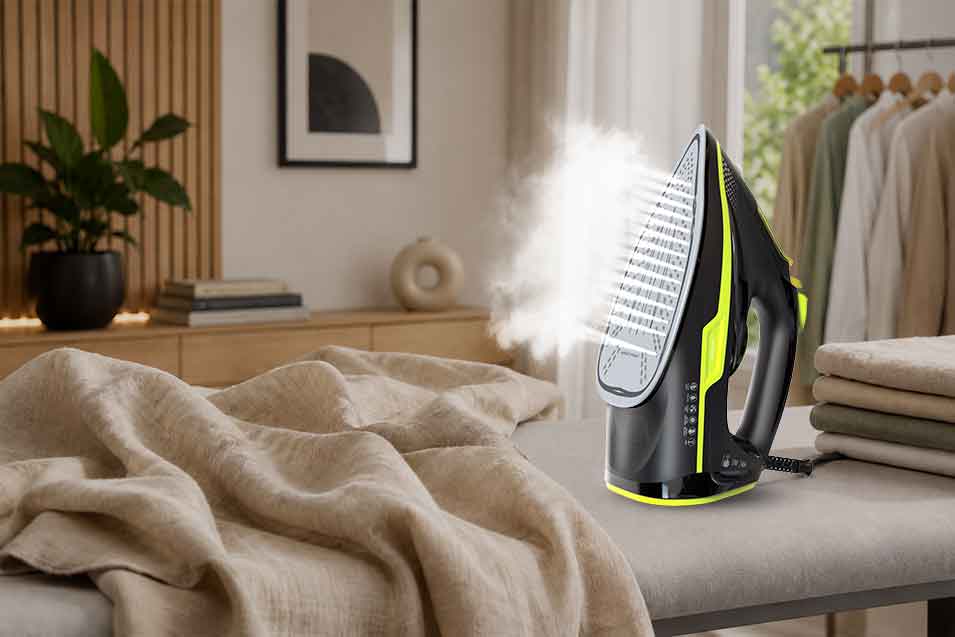
However, a steam iron is the better choice for tackling deep wrinkles. The combination of heat and steam relaxes the linen fibres, allowing creases to smooth out quickly with fewer passes. It is especially ideal for formal linen wear, linen sarees, and thicker or heavier linen garments that require a crisp, polished finish.
-
Iron When the Fabric is Mildly Damp
Iron the linen while it still retains a little moisture after washing. The natural dampness helps the fibres respond better to heat, helping release the stubborn creases effortlessly. This method usually works well with dry iron.
If the garment has already dried, lightly spritz it with water before you begin ironing. A steam iron has a built-in water spray function.
-
Iron Inside Out
When you iron the garment inside out, it preserves the fabric’s natural finish from heat and protects the colours. This technique is especially useful for linen garments with embroidery, embellishments or delicate prints.
-
Use the Correct Temperature Setting
Linen garments develop pronounced wrinkles more easily than other fabrics. This is because linen comes from dense fibres of the flax plant. It needs high heat to remove the stubborn creases.
Most irons have a separate setting for linen clothes. If your iron doesn’t have it, then turn it to the maximum heat setting. Check for temperature around 200°C–230°C for desirable results.
-
Iron One Area at a Time
Iron your garment in a structured sequence for a neat and even finish. Begin with the collar and move on to the sleeves and cuffs, followed by front panels and back panels. This ensures the elimination of wrinkles from every part to give the garment a well-ironed, professional appearance.
-
Hand, Don’t Fold
Your linen garments can develop new creases after being folded. On the contrary, they will retain their crisp finish after placing them on hangers. They also stay wrinkle-free for longer.
Conclusion
Ironing linen isn’t a challenge. Use the right temperature, iron while the fabric is slightly damp and adhere to the correct technique to keep your linen garments looking sharp and ready to wear. A steam iron is recommended for stubborn wrinkles and an effortless finish. Please make sure to follow the care label for each linen outfit for the best results.

Frequently Asked Questions (FAQs) :
-
Q1. Why do linen fabrics wrinkle so easily?
Linen is made from natural flax fibres that are less elastic than many other fabrics. While this property makes linen durable and breathable, it makes them susceptible to wrinkles too.
-
Q2. Which iron is best for linen – dry or steam?
It can vary from Dry iron can be used for light wrinkles, and you will need to press the garment multiple times. However, a steam iron removes creases more evenly, faster, and effortlessly. Moreover, a steam iron releases steam, which softens the linen fibres.
-
Q3. What should be the temperature setting for linen ironing?
Check for the ‘linen’ setting in your iron. Most steam irons have this configuration. However, if you are using a dry iron or any other iron without this setting, then adjust to the maximum or highest temperature. Linen fibres have a rigid molecular structure and need both moisture and heat to tackle the wrinkles.
Do not forget to read and follow the care label instructions to avoid any mishaps.
-
Q4. How to care for linen garments with embroidery work?
Heavy linen garments or those with embroidery and embellishments should be ironed from the reverse side. This will give a neat look and also avoid any damage to your clothes.ecially immediately if you notice any issues. Its components may need repair or replacement for better heat efficiency and longer life span.
-
Q5. What should I look for while buying a steam iron?
Look for adjustable temperature settings, particularly for linen mode. It should also have a built-in steam function.