

What builders don’t tell you about cheap electrical fittings?
25th March 2026 | Written By: Rika Aash | Read Time: 3min | Last Updated: 25th March 2026
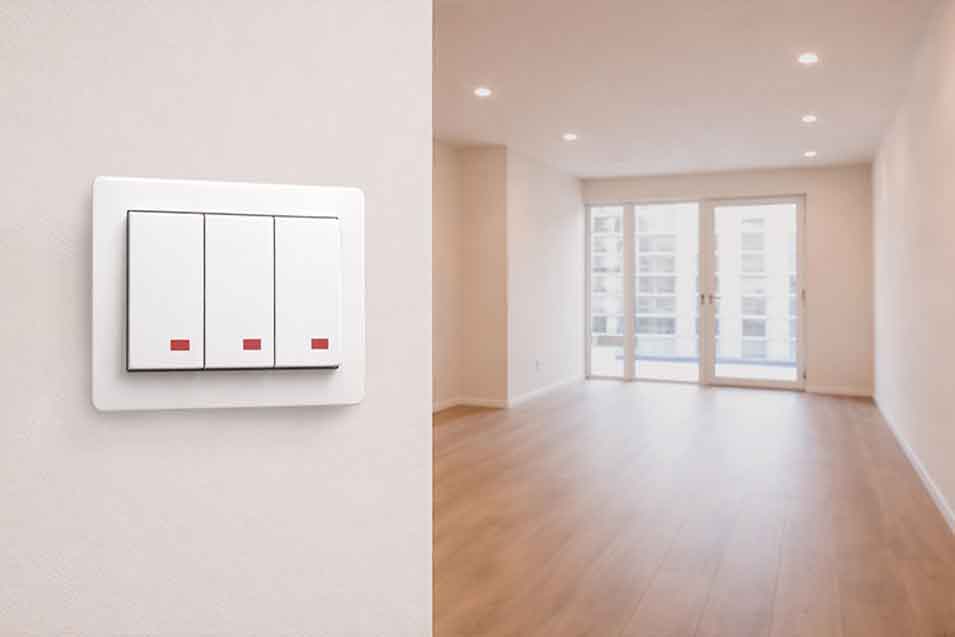
When we look for homes or consider renovation, we look at all the aesthetic details like flooring, kitchen design, bathroom fittings, and paint finishes. However, one of the most crucial aspects is the electrical setup, and this is often overlooked. Electrical fittings like sockets, switches, wiring accessories, wires, etc. may look less important, but they decide how safe and efficient your home is. Getting the correct electrical fittings from the start can save you a lot of trouble in the long run. But many developers won’t tell you this secret. Here’s what builders don’t tell you about cheap electrical fittings.
-
Invisible Costs
Electrical fittings like sockets, switches, MCBs, wires, and distribution boards are an easy way to cut costs without impacting the visual appeal of homes. A cheaper switch may appear similar to a premium one, but the major difference lies in internal components like insulation material, brass thickness, and fire-retardant properties. Cheaper electrical fittings wear out easily and are more prone to overheating.
-
Greater Fire Risks
One of the greatest risks of using substandard electrical fittings is overheating and fire risk. Poor-quality switches and other accessories create resistance, which generates heat. Over time, this can melt insulation, loosen terminals, and in worst cases, lead to short circuits or electrical fires. Also, these fittings often do not comply with safety standards and are made of plastics that are not flame-retardant.
-
Prone to Damages
In countries like India, where voltage fluctuations are common, such poor-quality fittings get damaged faster. Premium electrical fittings are made to handle such fluctuations safely. Substandard products lack internal protection and durability. This can lead to frequent switch failures, burnt sockets, flickering lights, and repeated MCB trips. Though replacing fittings may seem minor, over a period of time it becomes a recurring expense.
-
Loose Connections
Cheap sockets have weak internal spring mechanisms. Plugs start getting loose after a few uses. These loose connections can lead to sparks and heat build-up, leading to damage to both the appliance and the socket. Such connections pose a greater threat to high-load appliances like geysers, air conditioners, or microwave ovens.
-
Poor Wiring Quality
Since wires are hidden, builders opt for low-grade copper or thinner wires to save money. Poor-quality wires impact current flow and increase the chances of overheating. Once the house is handed over, replacing the internal wiring becomes expensive and invasive.
-
Shorter Lifespan, Higher Long-Term Cost
Substandard fittings may save builders a few thousand rupees. But for owners, the cost of repairs, replacements, and electricians’ visits can far exceed the initial savings. Premium fittings, on the other hand, are built for durability, smooth operation, and consistent performance over time.
-
Aesthetics Fade Quickly
Inferior quality switches often turn yellow, crack, or lose their finish within a few years. Buttons get harder to press or produce clicking noises. What seemed new during possession may appear dated and worn out much sooner than expected.
What should buyers do before taking handover from builders?
- Ask builders about the brand of electrical fitting used in your homes.
- Check if the products are ISI-marked and compliant with safety standards.
- Thoroughly inspect switch operations, socket grips, and distribution boards.
- Consider upgrading to trusted, quality brands if possible.
Electrical fittings are not just cosmetic elements but safety essentials. A house should not only look aesthetically good but also function safely and reliably for years. Investing in premium electrical products and accessories ensures safety and reliability.

Frequently Asked Questions (FAQs) :
-
Q1. Why do builders use cheap electrical fittings in homes?
Builders often use cheaper electrical fittings to reduce construction costs and maximise profit margins. Since these fittings are usually hidden within walls or unnoticed initially, cost-cutting on electrical components helps keep the overall project budget lower.
-
Q2. What electrical fittings should buyers check before taking possession of a home?
Before taking possession of a home, buyers should check the quality and functioning of essential electrical fittings such as switches, sockets, distribution boards, wiring, MCBs, and earthing systems. It is also important to ensure that branded, safety-compliant electrical products are installed to avoid future safety risks and maintenance issues.
-
Q3. Why is wiring quality important in a house?
Wiring quality is important in a house because it ensures the safe and reliable distribution of electricity throughout the home. High-quality wiring reduces the risk of electrical faults, overheating, and fire hazards while also supporting the efficient operation of appliances and long-term durability of the electrical system.