

Common Electrical Problems at Home and How to Fix Them
02nd March 2024 | Written By: Vinod Pottayil | Read Time: 4min | Last Updated: 11th March 2026
Who doesn’t have electrical problems? There’s always some loose connection or faulty wiring to fix. And so much more. We’ve turned into agony aunts today for your common electrical problems and solutions at home. Here are some common electrical problems and solutions that can help you fix them. Happy problem-solving!
Why Do Electrical Problems Occur in Homes?
Electrical problems in homes usually occur due to ageing wiring, overloaded circuits, poor-quality electrical fittings, or improper installation. Over time, wires and connections can wear out, leading to issues such as frequent tripping, flickering lights, or overheating sockets. Using too many appliances on a single circuit can also put excess load on the electrical system, increasing the risk of short circuits or power failures. In some cases, low-quality switches, sockets, or wiring used during construction can cause recurring electrical faults. Regular maintenance, proper load distribution, and the use of reliable electrical components can help prevent these common household electrical problems and ensure safer, more efficient power usage.
Warning Signs of Electrical Issues You Should Never Ignore
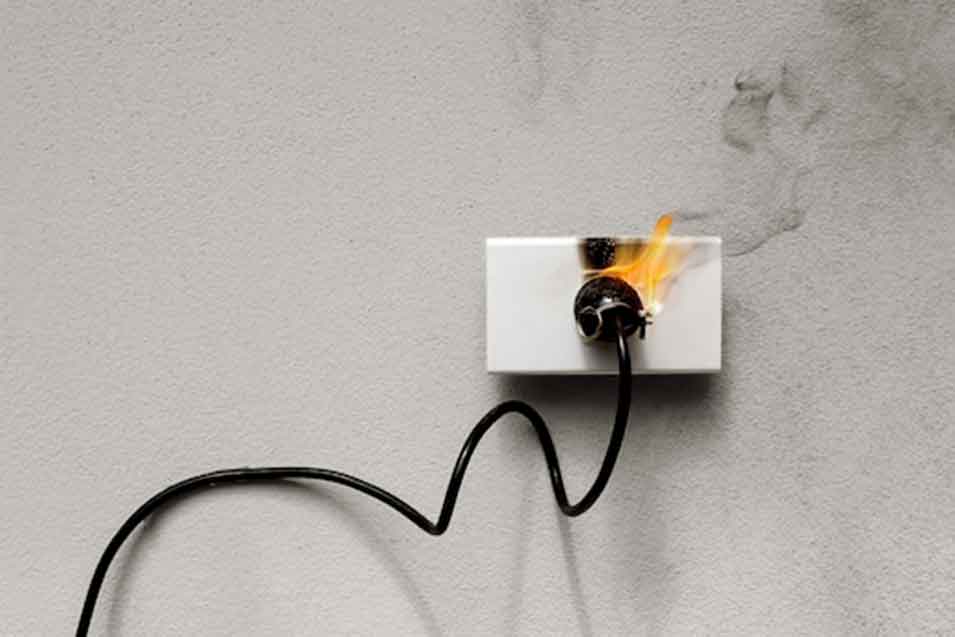
Certain warning signs in your home’s electrical system should never be ignored. Frequent circuit breaker trips, flickering lights, burning smells near switches, sparking outlets, or warm switchboards may indicate faulty wiring or overloaded circuits. Ignoring these issues can increase the risk of electrical shocks, short circuits, or fire hazards. Identifying and addressing these problems early helps ensure a safer and more reliable electrical system.
Safety Tips Before Fixing Any Electrical Problem
Before attempting to fix any electrical problem, it is important to prioritise safety. Always switch off the main power supply from the circuit breaker to avoid the risk of electric shock. Use insulated tools and make sure your hands are dry before handling any electrical components. Avoid touching exposed wires or damaged sockets, and never try to repair complex electrical faults without proper knowledge. If the issue seems serious or unclear, it is always safer to contact a qualified electrician.
Circuit Breaker Tripping
Trip goes the switch! Commonly experienced when using load-heavy appliances like the air conditioner or microwave, or sometimes even in general, you lose either a phase in the house or experience a complete outage.
Causes of Frequent Circuit Breaker Trips
Frequent circuit breaker trips usually occur when the electrical system is overloaded or there is a fault in the wiring or connected appliances. One common cause is plugging too many devices into a single circuit, which draws more power than the circuit can safely handle. Short circuits, faulty appliances, damaged wiring, or ground faults can also trigger the breaker to trip as a safety measure. These trips are designed to protect the electrical system from overheating, damage, or potential fire hazards.
How to Fix a Tripping Circuit Breaker
To fix a tripping circuit breaker, first switch off and unplug all appliances connected to the affected circuit. Then reset the breaker by turning it completely off and switching it back on. Plug the appliances back in one at a time to identify if a particular device is causing the overload. Avoid connecting too many high-power appliances to the same circuit. If the breaker continues to trip even without any load, it may indicate a wiring fault or a damaged breaker, and it is best to consult a qualified electrician.
| Problem | How to Solve |
|---|---|
| Circuit is overloaded | Circuit breaker trip could be due to damaged electrical appliances that could cause a circuit overload. Try to narrow down on the faulty appliance or have a qualified electrician help you out. You would need a qualified technician to repair the appliance. |
| Short Circuit | A faulty connection or damaged wire is causing a short circuit. You would need an electrician to address this. |
| Damaged Circuit Breaker | Over a period of time, circuit breakers could malfunction or be damaged. This is likely to be the case for an old house. |
Switches Don’t Work Anymore
Why Do Electrical Switches Fail?
Electrical switches can fail due to several reasons such as wear and tear, poor-quality components, or excessive electrical load. Over time, frequent use can loosen internal contacts, causing the switch to stop working properly. Overloading a switch with high-power appliances can also lead to overheating and damage. In some cases, moisture, dust, or improper installation may affect the switch’s performance. Using good-quality switches and ensuring proper electrical load distribution can help prevent such failures and ensure longer-lasting performance.
Steps to Repair or Replace a Faulty Switch
To repair or replace a faulty switch, begin by turning off the main power supply from the circuit breaker to ensure safety. Next, remove the switchboard cover carefully using a screwdriver. Check the wiring connections to see if any wires are loose or damaged and tighten them if necessary. If the switch is still not working, disconnect the wires and replace the faulty switch with a new one of the same rating. Secure the wires properly, fix the switch back into the board, and close the cover. Finally, restore the power supply and test the switch to ensure it is working correctly.
Switches are designed to last long, but sometimes they stop working due to any of the below causes. It’s one of the most common electrical problems and solutions out there.
| Problem | How to Solve |
|---|---|
| Light switch buzzing | If your light switch makes a buzzing sound, it could be the electrical current jumping across an air gap in the circuit. In many cases, this could also cause sparks. This could be due to incorrect installation and resulting loose wires. In most cases, redoing the installation would solve the problem. |
| Cracked Switch | If the switch is cracked, it could expose the screw terminals and the live wires. It’s best to replace the switch with a new one. |
| Switch Malfunction | If the switch did not undergo stringent QA/QC checks, or if it’s a really old switch, it could be possible that the switch is malfunctioning. Replace with new good quality switches for home. |
Ungrounded Electrical Outlets
How to Identify an Ungrounded Outlet
An ungrounded outlet can usually be identified by its design and simple testing. Older outlets often have only two slots instead of three, meaning they lack a grounding connection. You may also notice appliances giving mild electric shocks or electrical devices not functioning properly when plugged into such outlets. A more reliable way is to use an outlet tester or a multimeter, which can indicate whether the outlet is properly grounded. If an outlet is ungrounded, it is advisable to have it inspected and upgraded by a qualified electrician for safety.
How to Fix Ungrounded Outlets Safely
To fix an ungrounded outlet safely, first switch off the main power supply from the circuit breaker. Remove the outlet cover and check whether a grounding wire is present inside the electrical box. If a grounding wire is available, connect it properly to the grounding terminal of a three-pin outlet. If there is no grounding wire, the outlet may need new wiring or a grounding solution installed. In some cases, a GFCI outlet can be used as a safer alternative. Because grounding involves the home’s electrical system, it is always advisable to consult a qualified electrician to ensure the repair is done safely and correctly.
Grounding provides an outlet for the excessive current to flow in the event of a short circuit. In some cases, the electrical outlets can be ungrounded.
| Problem | How to Solve |
|---|---|
| Lack of Grounding | If the house is old, it’s possible that there was no grounding performed. In this case, the focus should be on how to establish proper grounding in the house or apartment. Replacing the wiring, though a legitimate option, is not very feasible. A GFCI outlet is the best bet in this case, to allow for a quick power cut in case of excess surge, allowing the required protection. |
| Improper Installation | A plug tester can be used to check if the grounding works correctly. In some cases, the ground wire is present, but not well connected to the outlet. Re-installing the outlet correctly will solve the problem. |
| Two-slot outlet | In this case, the outlet does not have the slot to allow ground contact. Troubleshooting the problem by replacing the outlet with a new three pin outlet should solve the problem. |
Flickering Lights
What Causes Lights to Flicker?
Lights can flicker due to several common electrical issues. One of the most frequent causes is a loose bulb or a faulty switch, which interrupts the flow of electricity. Flickering can also occur when appliances with high power consumption are switched on, causing temporary voltage fluctuations. In some cases, loose wiring, overloaded circuits, or problems with the electrical supply can lead to inconsistent lighting. Identifying the cause early and fixing faulty connections or components can help prevent further electrical problems.
How to Fix Flickering Lights at Home
To fix flickering lights at home, start by checking if the bulb is loose and tighten it properly in the socket. If the flickering continues, try replacing the bulb, as a worn-out or incompatible bulb can often cause the issue. Next, inspect the switch and wiring for loose connections that may interrupt the flow of electricity. Also ensure that high-power appliances are not overloading the circuit. If the problem persists across multiple lights, it may indicate a wiring or voltage issue, and it is advisable to consult a qualified electrician.
If the lights go dim and bright, this could be due to any of the below problems.
| Problem | How to Solve |
|---|---|
| Voltage Fluctuations | Voltage fluctuations can cause lights to flicker, especially when heavy appliances are being used either in your house or another one that shares a common connection. In some cases, it could be a problem with the electrical grid. For high-value appliances use a Voltage Stabilizer to regulate the voltage to the device. |
| Loose Connections | Either the wiring, the connection or the bulb itself is loose. Try reconnecting or replacing the faulty component to solve this problem. |
| Utility Service Problem | Check with your neighbours if they are also facing this problem. This could be a problem in a shared transformer, or a problem in the electrical grid. Contact your electricity provider and inform them of this problem. |
Electrical Shocks
Main Reasons for Electrical Shocks in Household Appliances
Electrical shocks from household appliances usually occur due to faulty wiring, damaged insulation, or improper grounding. When the internal wiring of an appliance becomes loose or worn out, electricity can leak to the outer metal body. Lack of proper earthing is another common cause, as grounding helps safely carry excess current away. Using damaged power cords, operating appliances with wet hands, or plugging devices into faulty sockets can also increase the risk of electric shock. Regular maintenance and proper grounding help reduce these risks and ensure safer use of appliances.
How to Prevent Electrical Shocks
To prevent electrical shocks, ensure that all electrical appliances and outlets are properly grounded. Avoid touching switches or appliances with wet hands, and keep electrical devices away from water sources. Regularly check power cords and plugs for damage, and replace them if they appear worn or frayed. Use high-quality switches, sockets, and circuit protection devices such as MCBs and RCCBs to enhance safety. It is also important to avoid overloading sockets and to have electrical installations inspected periodically by a qualified electrician.
Electrical shocks are rather dangerous and undesirable electrical problems in house. It could be either when using a switch, a specific device, or in some extreme cases, walls or wall components.
| Problem | How to Solve |
|---|---|
| Faulty Appliance | If the appliance has a damaged circuit or stray wiring, it could cause shocks. Disconnect the appliance immediately, and let an experienced technician deal with the problem. |
| Faulty Switch or Wiring | If the outlet or switch has loose connections or is incorrectly installed, it can lead to electrical shocks. Try to re-install the switch. In case this is not the problem, there could be faulty wiring causing the problem. An electrician will need to inspect the wiring and replace the faulty stretch of wiring. |
| Contact with Water | If an appliance, switch or open wire is coming in contact with moisture or water, this could lead to electrical shocks. You would have to check the wiring for insulation and remove contact of water from switches and appliances. |
Less Electrical Outlets
Safe Ways to Add More Electrical Outlets at Home
If you need more electrical outlets at home, it is important to add them safely without overloading existing circuits. Avoid using too many extension boards or power strips for long-term use, as they can increase the risk of overheating. Instead, install additional wall sockets connected to a properly rated circuit. Before adding new outlets, check the load capacity of the circuit to ensure it can handle extra devices. It is also advisable to use good-quality switches and sockets and have the installation carried out by a qualified electrician to ensure safety and proper wiring.
When to Call a Professional Electrician
You should call a professional electrician when electrical problems become frequent or difficult to identify. Issues such as repeated circuit breaker trips, burning smells from switches or sockets, sparking outlets, exposed wires, or persistent flickering lights may indicate serious electrical faults. Major tasks like rewiring, installing new circuits, fixing grounding problems, or repairing damaged electrical panels should also always be handled by a qualified electrician. Professional inspection ensures the problem is fixed safely and helps prevent electrical hazards such as shocks or fire.
Tips to Prevent Common Electrical Problems
To prevent common electrical problems at home, ensure that your wiring, switches, and sockets are installed using good-quality electrical components. Avoid overloading outlets with too many appliances and distribute electrical load properly across circuits. Regularly inspect wires, plugs, and sockets for signs of damage or wear and replace them when necessary. Keeping electrical points away from moisture and ensuring proper grounding can also improve safety. Periodic inspection by a qualified electrician helps identify potential issues early and keeps the electrical system running safely and efficiently.
Our dependence on appliances increases with every passing day. Very often, we fall short of electrical outlets for our appliances.
| Problem | How to Solve |
|---|---|
| Old home or improper electrical space planning |
|
Hope that we’ve helped you address some of your common electrical problems in home. In general, use power-efficient appliances with higher star ratings. Troubleshooting electrical problems is not a DIY, but an expert job. Please do not manage electrical problems and solutions on your own. Always hire a certified electrician to check your power connections and appliances.