

The Importance of BIS Certification in Electrical Products
18th July 2025 | Written By: Utsavi Tank | Read Time: 3min | Last Updated: 18th July 2025
Introduction
As technology advances, electrical appliances become more and more integral in our day-to-day lives. As we rely increasingly on these devices, the need to prioritise quality and safety becomes essential. Whether it’s a ceiling fan, switchboard, or LED light, consumers nowadays seek electrical devices that are efficient, safe, and — most importantly—BIS certified.
In India, certification for safety quality and quality is provided by the Bureau of Indian Standards (BIS). BIS was established under the Bureau of Indian Standards Act of 1986. It aims to standardise the quality of products and services sold in the Indian market.
Understanding BIS and Its Role
BIS operates under the Ministry of Consumer Affairs, Food & Public Distribution. Together, they formulate and enforce protocol necessary to gain the BIS certification.
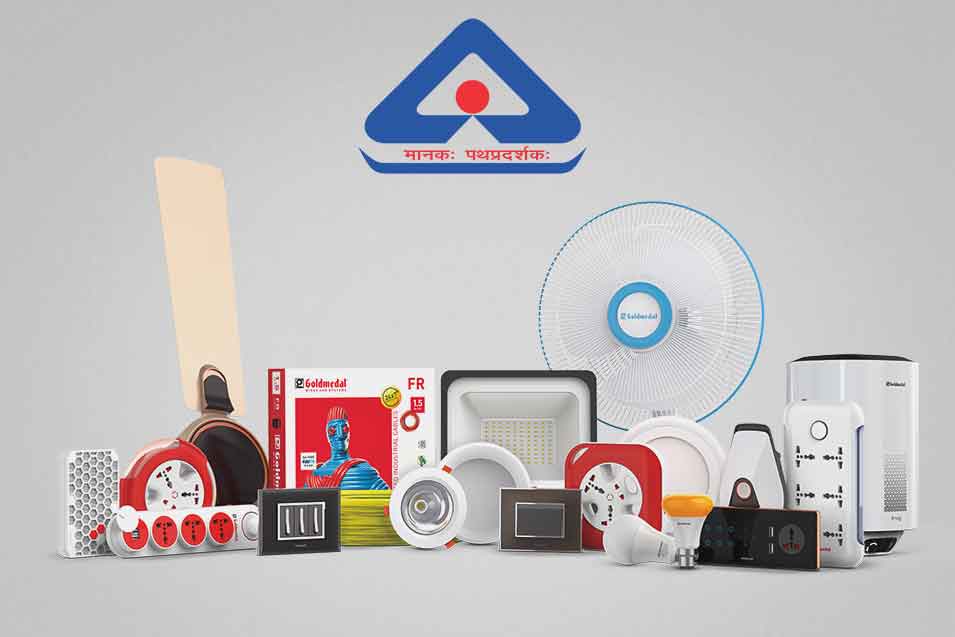
Products bearing the ISI Mark, the official symbol of BIS compliance, confirms it has met the required safety, quality, and performance criteria. The certification may be compulsory or voluntary depending on the product category.
BIS also helps companies understand their product categorisation and the standard safety requirements for those categories. Most importantly, the BIS protects consumer interest by preventing unsafe and substandard products to enter the market.
How to get BIS Certified
Achieving BIS certification involves multiple layers of evaluation and quality checks. Here are a few key steps:
- Product Testing: Samples are tested in BIS-approved laboratories to check for compliance with relevant Indian standards.
- Factory Inspection: BIS officials inspect the manufacturing site to verify the production process and consistency.
- Market Surveillance: Certified products are regularly monitored through random market sampling to ensure ongoing compliance.
Importance of BIS certification for electrical appliances
Here are the key reasons why BIS certification is essential for electrical appliances:
-
To ensure consumer safety:
Poor design and materials in electrical appliances can cause electric shocks, short-circuits, or burns. BIS ensures a product is subjected to rigorous safety tests and meets all the Indian standards before obtaining a certification. This significantly reduces the likelihood of accidents occurring at home or in the workplace.
-
To meet government regulations:
The BIS certification is mandatory for various appliances in India. Legally, products like electric irons, immersion heaters, cables and switches as well as LED lights cannot be sold without having a valid ISI marking. The government prevents low-quality products from entering the market.
-
To ensure quality and performance:
The BIS certification essentially states that quality is guaranteed. It ensures that the product operates efficiently, endures longer and maintains the performance as intended. Certification helps manufacturers gain credibility and build consumer trust.
-
To provide market entry and customer confidence:
Retailers and consumers often avoid uncertified products due to trust issues. Products with the BIS mark gain quicker market access and stand out as reliable choices in a crowded marketplace.
Conclusion
In a diverse and vast country as India, the need for quality and safe products becomes a non- negotiable—especially with electrical appliances. BIS certification acts as a quality benchmark for both manufacturers and consumers.
Although the certification process takes time and money, it guarantees that the product satisfies accepted national requirements. The BIS certification stands as a trustworthy symbol in a plethora of options which is not only significant but also necessary.